Entry · Ref AQ9BOCM1
How Do Malta’s Flower Growers Conserve Water?
- Posted
- 2026-11-25
- Last amended
- 2026-11-25
- Account
- @bloomnotes70
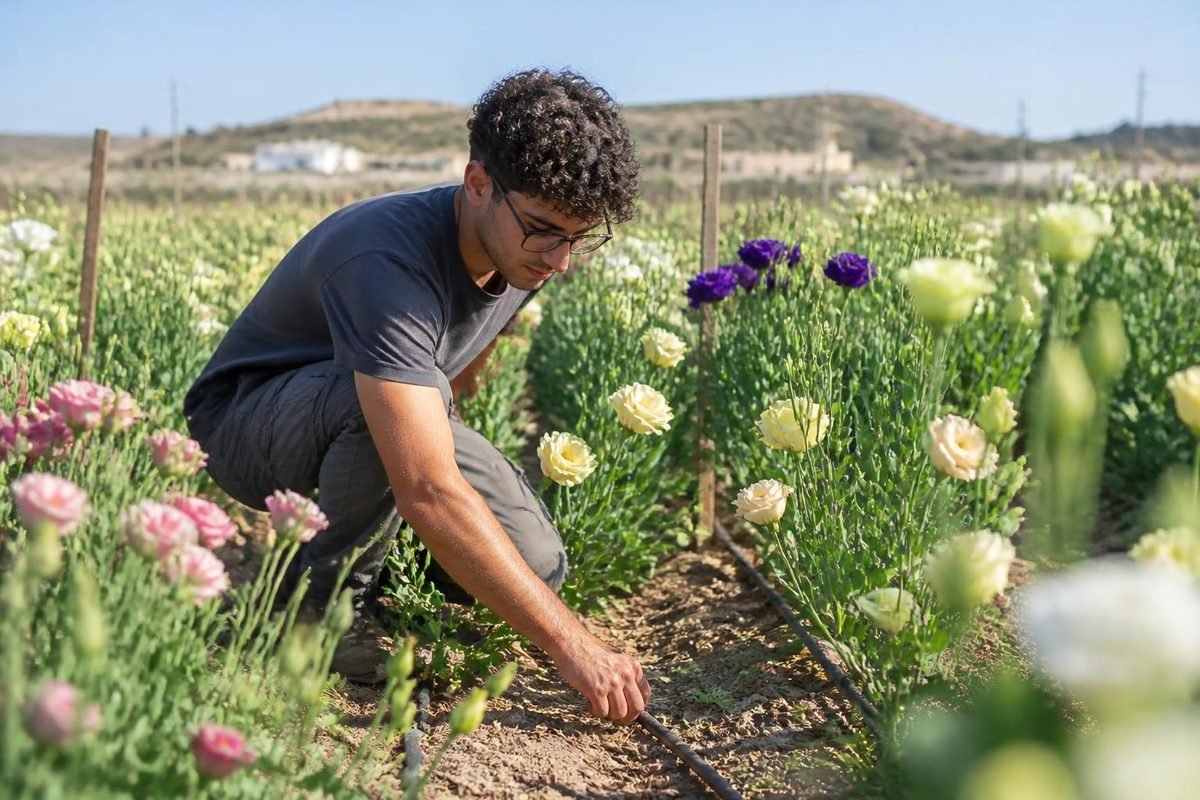
Flower growers in Malta can conserve water by delivering it close to plant roots, collecting rainwater and reducing evaporation from the soil. These approaches are especially useful in Malta, where summers are hot and dry and freshwater resources are limited.
Water needs vary with the crop, the soil and the growing space. A flower grown in a pot, for example, may need more frequent attention than one rooted in an open field. The aim is to give plants enough water without losing more than necessary.
Watering close to the roots
Drip irrigation carries water through tubes and releases it near the base of plants. Compared with spraying water over a wide area, it can reduce evaporation and keep paths between rows dry. That means more of the water is available where roots can reach it.
Growers can also check the soil before watering instead of relying only on a fixed schedule. You can do the same in a small flower bed by feeling the soil below the surface. If it is still damp around the roots, the plants may not need another drink yet.
Making use of rainwater
Malta receives much of its rain in the cooler part of the year, while flowers may need extra water during dry months. Collecting rain from suitable roofs and storing it in a tank or cistern can help growers use that seasonal rainfall later.
Storage needs care. Covered tanks help keep debris out, and growers need to consider the quality of collected water before using it on plants. The amount available depends on rainfall, the collection area and the size of the tank.
Keeping moisture in the soil
Mulch is a layer of material placed over the soil. It can slow evaporation and help keep the soil cooler, so moisture stays available to roots for longer. Organic materials can also add matter to the soil as they break down.
Good soil structure matters too. Soil with organic matter can hold water while still allowing air to reach roots. Growers must balance moisture retention with drainage, since waterlogged soil can damage many flowering plants.
Planning each watering
A careful routine can prevent waste without leaving flowers thirsty. These steps are useful for a grower or for anyone tending flowers at home:
- Check the soil near the roots and look for signs of plant stress.
- Water early in the day, when less water is likely to evaporate in the heat.
- Direct water to the soil rather than spraying paths and empty spaces.
- Check tubes, taps and tanks for leaks, and repair them promptly.
The right amount depends on the flower and its stage of growth. A newly planted flower may need closer attention while its roots become established.
Questions you may have
Why is water conservation important in Malta?
Freshwater is limited, and the dry summer creates demand for irrigation when rain is scarce.
Does every flower need the same amount of water?
No. Different species have different needs, and pots, soil and weather also affect watering.
Can mulch replace watering?
No. Mulch helps slow water loss, but plants still need enough moisture at their roots.
Is rainwater always enough for flowers?
Not necessarily. The supply depends on rainfall and storage, and it may not cover a long dry spell.
More to read: https://polishcommunitycentre.com/wszystkich-swietych-z-daleka-jak-zadbac-o-groby-bliskich/